Director’s Cut
Director’s Cut is the second show in our ‘Cultural Phenomenon’ series, of which Coming Out of My Cage (And I’ve Been Doing Just Fine) is the first, and will eventually become a trilogy.

Our first story draft of Director’s Cut - at the time Untitled
The idea for the show came about in 2024 in the green room at The Pleasance Theatre, Islington, while we were on a break from rehearsing before a performance of Coming Out of My Cage (And I’ve Been Doing Just Fine).
We’d been getting the itch to make something new and knew we wanted to continue talking about cultural phenomena. We have long been enamoured by the idea of bringing a group of people together with a shared interest in a certain thing (a song, movies, the environment, etc.) and then seeing what we can do with that shared interest. Our shows stoke that fire and ask the audience to be the fuel.
Jesse, producing Cage, mentioned an article he’d recently read about a movie director who doesn’t exist. No one else in the company had heard the story, and we were immediately hooked - a) it’s a fascinating story, but b) it’s a fascinating story that no one knew. Why didn’t we know it?! Was it a conspiracy?! We had to know more.
Inception
Research
This short video essay explained in very clear terms what made this story so interesting to us. It was dramatic, funny, intriguing, and ripe for comedy.
This video also provided us a hook - Alan Smithee has worked with so many famous names - this is how we can get an audience interested in a story they don’t know.
Characters


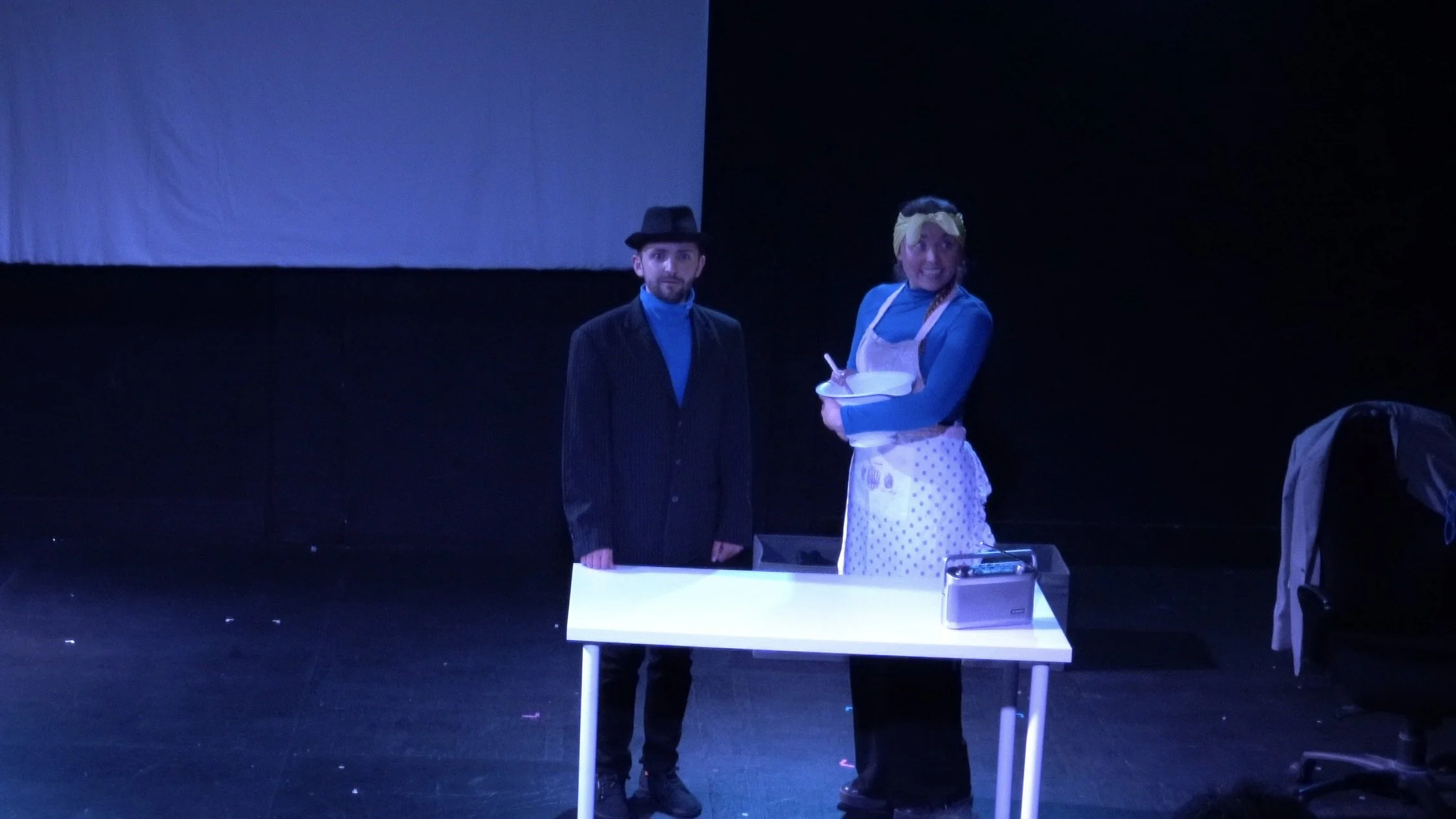

For a long time, the conversation was stuck around the central idea - are we giving an account of what really happened, or are we writing a fictional story? If the former, how do we make a show about a person who doesn’t exist without it being really, really boring?
The answer, for us, was that we do both (in a roundabout way.) We needed to create Alan Smithee - but that’s only half the battle. Who does he interact with, then? Of course, in the real world, hundreds of people were involved in the lie. We could have one of our actors playing Alan, and the other playing a whole load of other people. We could have them both playing Alan as well as multi-role. Or we could create another character. The antithesis of Alan, the foil, the antagonist. Holly Wood.
Title
Believe it or not, one of the last things we actually decided upon with regards to this show was the title. We just couldn’t think of anything we were happy with. We overthought every aspect of it - should we say Alan Smithee in the title, or does that make it too alienating? Do we need to mention the conspiracy? Or Hollywood? Or directing? How do we tell this whole ridiculous story in just a title? And how do we avoid making yet another show with a title that’s too long to write out comfortably in a text? (Your Progress Will Be Saved, Coming Out of My Cage (And I’ve Been Doing Just Fine))
revisiting the show in 2026
Back where it all started, in May 2026, 2 years to the day of when we were performing Cage at the Pleasance and had the idea for Director’s Cut, we performed Director’s Cut at Pleasance.
changes from draft 1
When bringing the show back, we had a short, explosive burst of activity to re-cut the show and address some of the feedback we got the first time around. We also addressed some stuff we really thought would improve the show.
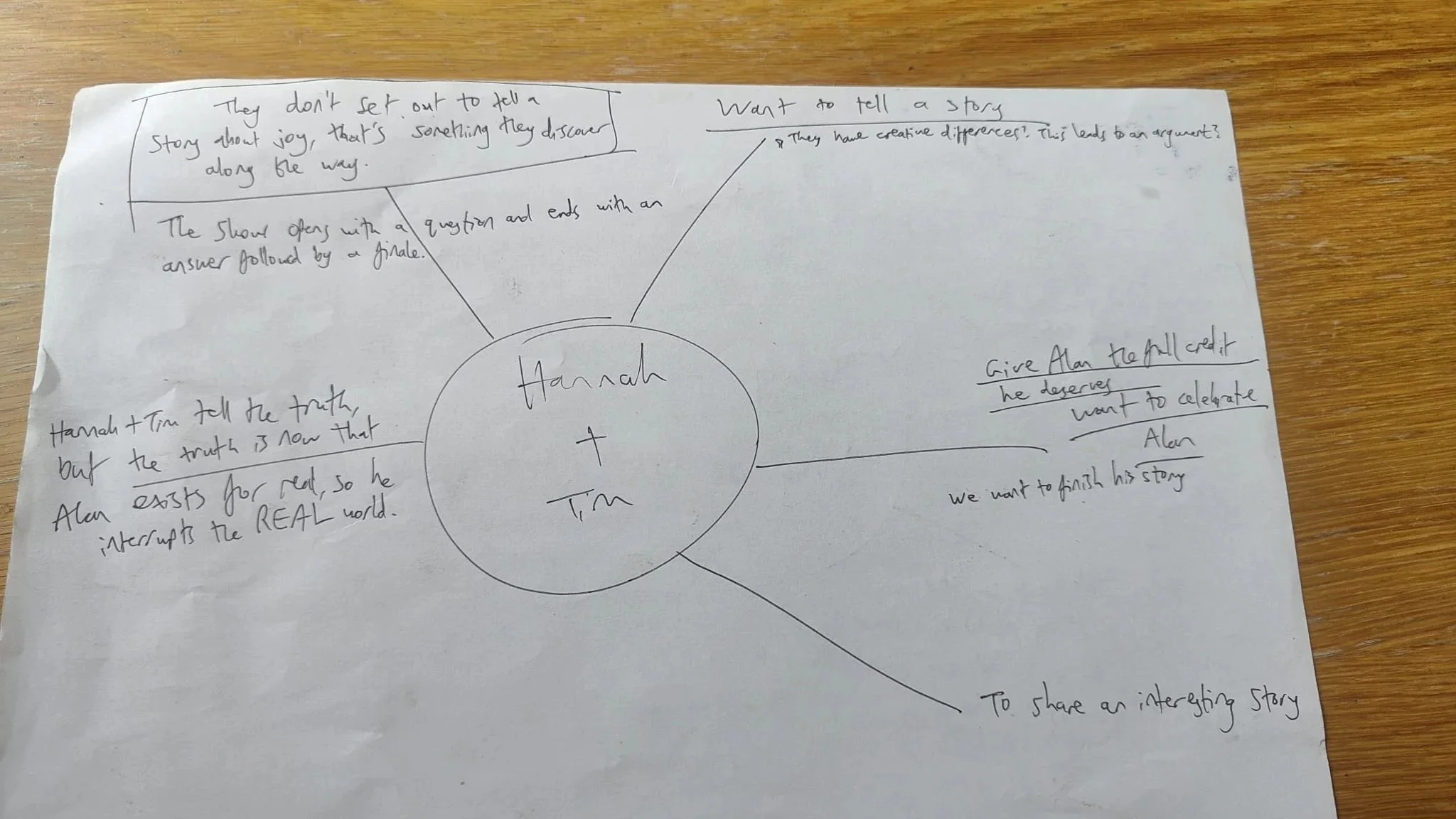
What do Hannah and Tim actually want?
Why Alan Smithee?
The story slaps. We know that. It’s fascinating, it’s engaging, it got us all absolutely hooked the minute we heard about it. But… why?
In order to make the show as punchy and memorable as possible, we needed to discover what it was about the story that got us all hooked in the first place. Then we could use those aspects to hook an audience too.
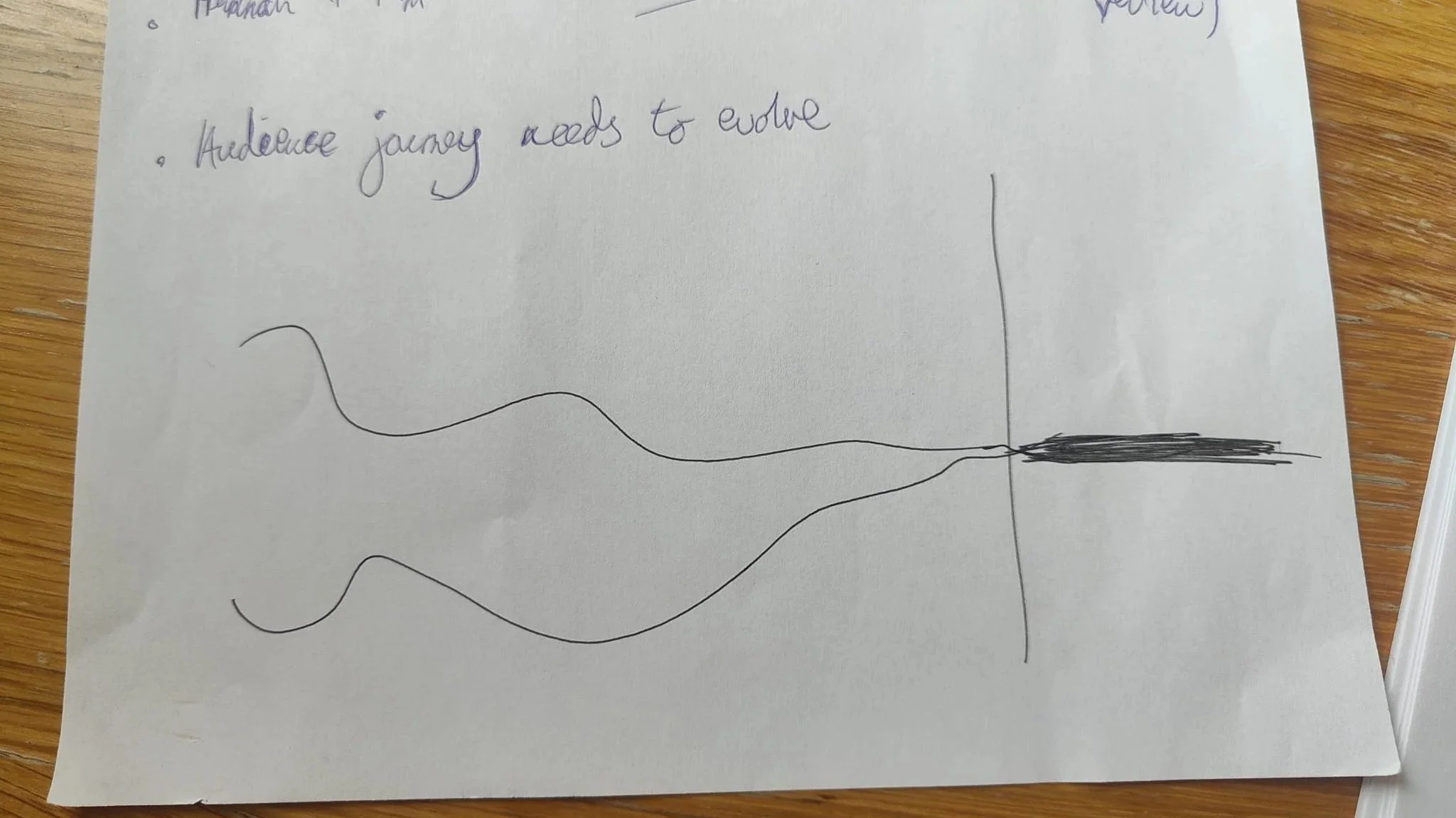
Audience journey
Hannah and Tim
This was a central question to our rehearsal process in 2026. Why are we telling this story? With Cage, it took us years of performing the show and editing it slightly before we got to a tight, satisfying answer to the central question (in that case, the question being “Why is Mr Brightside so popular?” Hannah and Tim are the audience’s lens through which to care about the story being told. We need a satisfying goal for them to reach, so that we can get emotionally attached to their success or failure at the end of the show in reaching that goal.
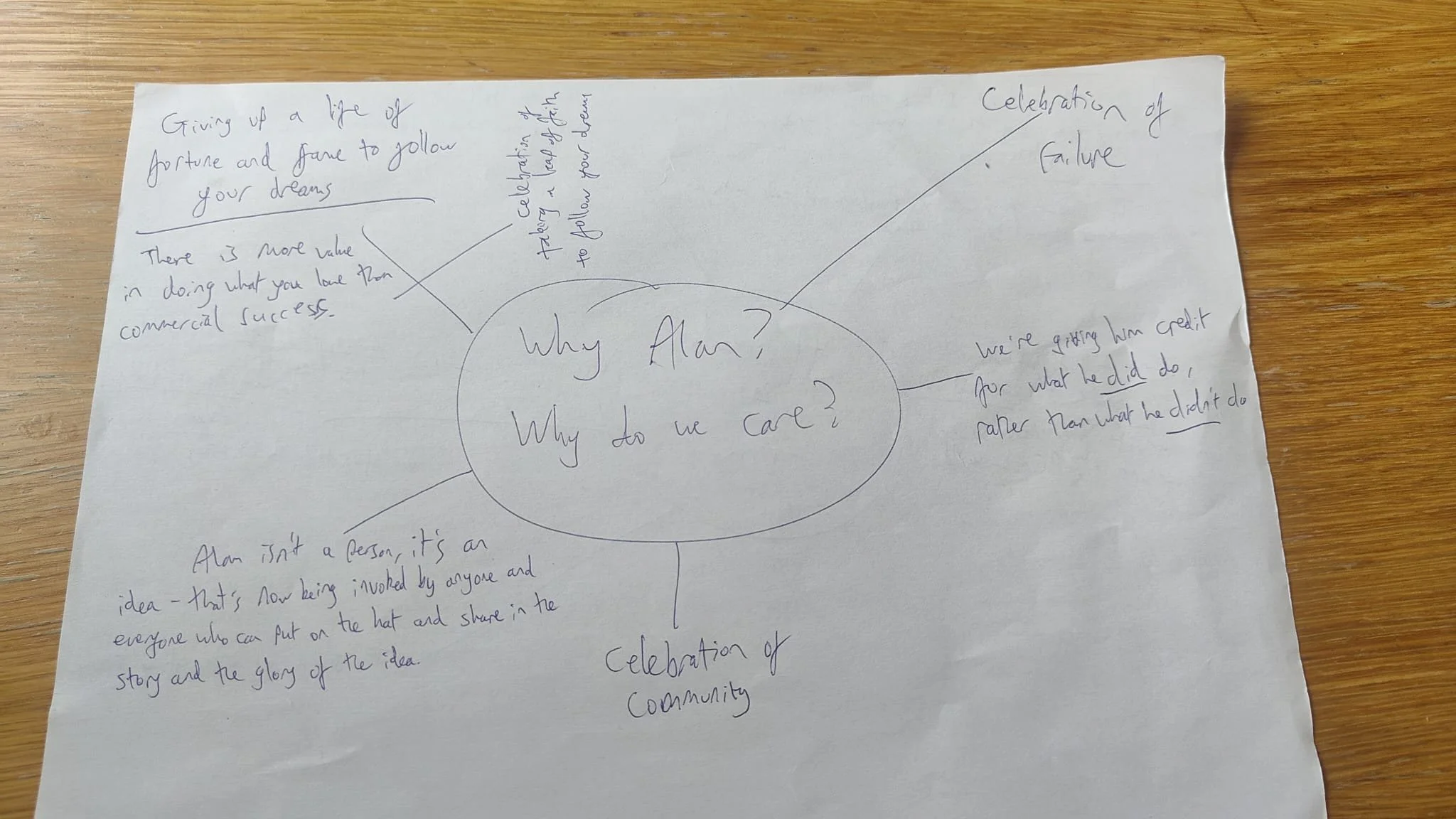
What does Alan represent?
Audience journey
Self explanatory.
Alan Smithee Movies


